If you’ve lived through a mediocre paint job, you remember it every time the light hits a lumpy wall or you spot a paint ridge along the skirting board. Good decorating looks effortless, but it isn’t. It’s the product of preparation, materials matched to the surface and climate, and a tradesperson who respects your home and your schedule. Whether you need a fresh exterior for a stone cottage near Uppingham, a hallway overhaul in Oakham, or a period-sensitive finish in Stamford, choosing the right painter in Rutland affects not only how your space looks today but how well it ages over the next decade.
I’ve spent years walking clients through bids, inspecting prep work, and rescuing projects that started with a low quote and ended with headaches. The advice below distills what consistently separates reliable professionals from the rest, with local nuances for anyone seeking a Painter in Rutland, a Painter in Oakham, or a Painter in Stamford and Melton Mowbray.
Start with the finish in mind
Before you call a single painter, decide what success looks like. Do you want a clean rental-grade repaint, or are you after a flawless, light-bouncing eggshell on replastered walls? Are you refreshing a child’s room, or restoring an 1880s townhouse with original cornices? Painters vary widely in specialisms. A crew that turns around new-build magnolia upgrades may not be the team to hand-paint kitchen cabinets or colour-match limewash on a listed property.
I ask clients to describe three things: how long they want the finish to last, how fussy they are about minor imperfections, and what their daily routine can tolerate. If you need a quick spruce-up before selling, that’s a different brief from a long-term family home where you’ll notice every brush mark. A homeowner in Oakham once told me they were “not picky,” then showed me a phone torch sweeping across a wall like a museum conservator. After that chat, we adjusted the quote to include more filling, extra coats, and longer drying times, because that level of expectation deserved them.
Local surfaces, local weather
Rutland’s building stock presents a mixed bag. You’ll find lime-rendered cottages that need breathable paints, Victorian brick terraces that soak up primer, and estate homes with high-impact stairwells where scuffs test coatings daily. Add in the East Midlands weather, and you have a real test for exterior finishes. The best Painter in Rutland will ask about substrate and exposure before talking colours.
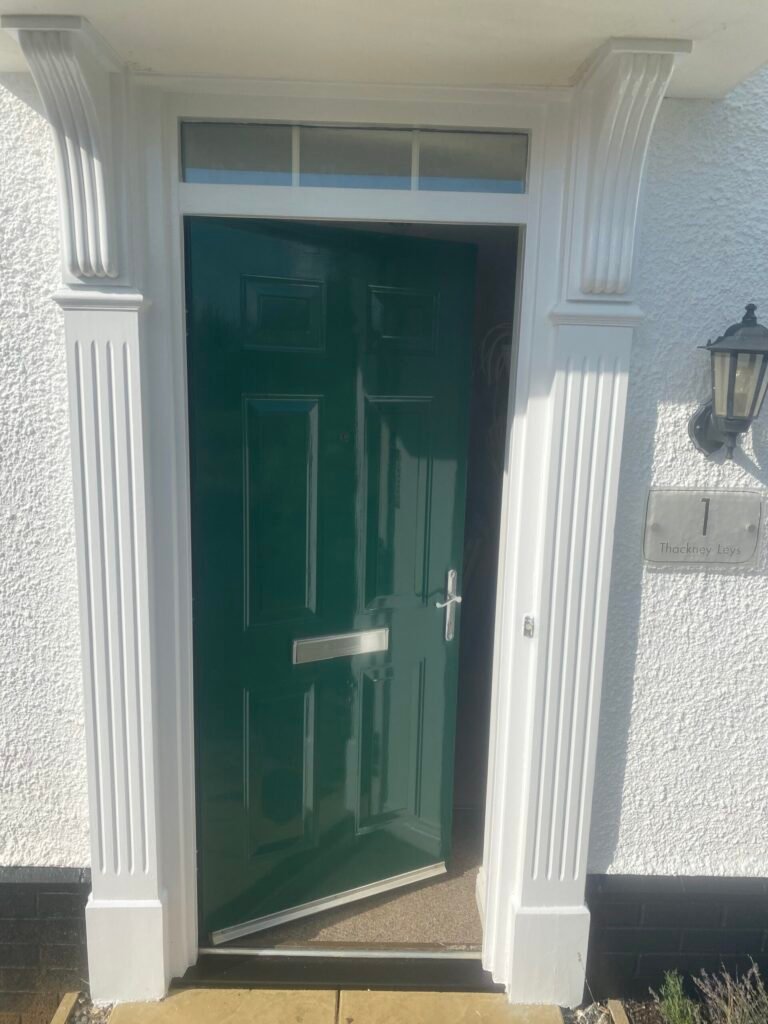
Exterior: On a stone cottage outside Oakham, I’ve seen external masonry paint peel within two winters because the wrong product trapped moisture in the wall. A painter familiar with lime render will suggest mineral or silicate-based paints that allow moisture to escape. South-facing elevations near open fields take more UV and wind, so a higher-build product and meticulous edge sealing make a difference. Look for details in the quote: washing and decontaminating algae, spot-priming chalky areas, and back-brushing into rough stone.
Interior: In Stamford, many homes have gypsum over old lath or replastered sections around rewired sockets. Compatibility matters. Trade emulsions vary in opacity and adhesion. On patched walls, a good decorator will mist-coat fresh plaster and feather in filler edges, or on stubborn stains, lock them with shellac-based primer before any colour goes on. If you’re after scrubbable walls for a busy hallway or a kitchen diner in Melton Mowbray, ask for durable matt or acrylic eggshell and be specific about cleaning expectations. Not all “washable” labels behave equally when faced with bike tyre scuffs or curry splashes.
61 Main St
Kirby Bellars
Melton Mowbray
LE14 2EA
Phone: +447801496933
Credentials that actually matter
Public liability insurance is non-negotiable. Ask for a current certificate, not just a claim that it exists. Accidents are rare, but ladders can slip, and overspray can travel farther than you’d think on a windy day. For exteriors over two storeys or complex access, confirm how they’ll work safely. Professional membership in bodies like the Painting and Decorating Association signals commitment to standards, though it isn’t a guarantee on its own.
References help, but photographs tell only part of the story. A glossy after-shot hides the prep that determines longevity. When possible, ask to see a job at least six months old, ideally a year. If a Painter in Stamford can point to a north-facing exterior they completed last spring and it still looks tight, corners sealed and no early chalking, that’s a reassuring sign.
How to read a quote like a pro
A clear quote reflects a clear process. When I review proposals, I look for specificity. “Two coats to walls” isn’t enough on its own. What are the products? Are ceilings and trim included? Will they remove radiators or paint around them? How many colour changes are planned, and does that include feature walls? If you have a Painter in Oakham quoting against a Painter in Melton Mowbray, the cheapest line item might be leaving out the exact things you assumed were included.
A trustworthy quote usually separates labour, materials, and any optional extras. It should state surface preparation steps: degreasing kitchens, sanding to specified grits, filling and caulking, stain-blocking, and priming where needed. If there’s woodwork, look for the type of undercoat and topcoat, and whether they’ll de-nib between coats. For sash windows, there should be allowance for easing, adjusting putty, and protecting glass lines. Timeframes should include drying times, not just working hours. A five-day estimate that counts two coats per day on oil-based trim isn’t realistic.
Be wary of vague allowances such as “minor preparation.” For a lived-in family home, “minor” can balloon into hours of filling picture hook holes, chasing hairline cracks, and sanding bumpy window sills. Good painters explain what’s typical, then price unknowns either with a site visit beforehand or with a transparent day rate if hidden issues emerge.
Prep is 70 percent of the finish
You can feel it in the walls. A fast decorator who skimps on prep might leave raised filler, furred edges, and a faint map of old roller lines. A careful one spends superiorpropertymaintenance.co.uk Interior House Painter half the first day cleaning, sanding, vacuuming dust, and taping off. They spot powdery plaster, flaky old paint, and slight damp. They solve problems before colour ever touches a brush.
On a townhouse in Stamford, we faced four recurring hairline cracks along the same plasterboard joint. The owners had paid to repaint twice in three years. The fix took a different approach: cut back, tape with a high-quality fiber tape, skim with setting compound, then prime properly to control suction. The paint was the easy part. This kind of judgment separates a Painter in Stamford who decorates for keeps from a painter who just paints.
Window and door trims tell another story. Smooth, mirror-like satin on skirting and architrave rarely happens with one pass. The best results come from degreasing, a keyed surface, sharp caulk lines, a shellac spot-prime on knots, and at least two topcoats with a light de-nib in between. For high-traffic homes in Oakham and Melton Mowbray, I often prefer waterborne trim paints with a hard-wearing finish to avoid yellowing, especially in low-light hallways. Oil-based products still have a place for depth and flow, but they need more ventilation and longer cure times.
Timelines, access, and living with the work
Decorating touches every part of daily life. A project plan is as important as colour charts. Clarify who moves furniture, who removes and reinstalls hardware, and how areas will be sealed from dust. On larger homes, we’ll sequence rooms to keep a functional route to the kitchen and bathroom. For families with young children, I like to start with bedrooms so the kids settle back in quickly. Pet owners need a containment plan, since open doors and wet skirting are a bad combination.
Exterior schedules bend to weather. Painters in Rutland learn to read a forecast the way sailors do. A 20 percent chance of rain can be fine for prep and priming under eaves, but risky for open superiorpropertymaintenance.co.uk Residential House Painter masonry. Night temperatures matter as much as daytime highs, especially for masonry coatings that need a proper cure. Ask your painter how they build buffer days. If they promise to finish an exterior in three days during an unsettled week in April, expect compromises or delays. A cautious schedule beats a rushed one every time.
Balancing budget and quality without wasting money
There’s always a range of reasonable choices. You can spend extra where it counts, and save where it doesn’t. Kitchens, bathrooms, and entrance halls take a beating, so durable paints and careful prep earn their keep there. A guest bedroom used twice a year doesn’t need top-shelf coatings. With exteriors, the stakes rise quickly because access is expensive and failures are visible. Don’t skimp on primers or weatherproofing details.
When comparing a Painter in Melton Mowbray with one in Oakham, you might see differences in day rates. Day rates reflect not only skill but also overhead: insurances, proper dust extraction, and good brushes and rollers. High-quality tools and dust control protect your home and speed up the job. It’s sensible to negotiate scope, not quality. If the quote is high, consider painting inside of wardrobes yourself, keeping ceilings as-is if they’re sound, or spreading the project over phases rather than asking a pro to rush.
Colour, sheen, and light in Rutland homes
Light in this part of the country skews cool for much of the year, and many homes have small windows or deep reveals. Colours shift dramatically next to honeyed stone or red brick, and even more so under LED bulbs that vary in warmth.
Neutrals: The softer end of grey-beige families plays well with local materials. In north-facing rooms in Oakham, a warm neutral with a hint of pink or yellow undertone prevents the space from feeling flat. In bright, south-facing open-plan spaces, slightly cooler tones can maintain crispness without going sterile.
Sheen: Matte hides minor imperfections on older plaster but scuffs more easily. Durable matte products exist and do a good job for hallways if you don’t have little ones with scooters. Eggshell on woodwork gives a classic, gentle sheen that suits period rooms in Stamford. Satin or semi-gloss has more punch and resilience but will show brush marks and surface dings. If your woodwork is tired, slightly lower sheen forgives more.
Trim and ceilings: White isn’t one colour. A soft white on ceilings can avoid a harsh line against warm walls, while a bright neutral on trim lifts a room that lacks daylight. Test boards help. Move them around during the day and under your actual evening lighting. A Painter in Rutland who offers sample patches, not just swatches, is saving you from expensive second thoughts.
When to insist on specific products
Painters have preferences born from experience. That’s valuable, but your home has its own needs. There are times to be product-specific.
- On fresh plaster, good trade emulsions cut with the right ratio for mist coats save future peeling. Don’t accept a contractor-grade ceiling paint as a compromise on walls that will be wiped regularly. For bathrooms without strong extraction, opt for a moisture-resistant formulation and a mildewcide, then agree on re-caulking around showers and sinks to seal edges. Old pine with knots will bleed through even years later. Shellac-based stain blockers are the closest thing to a guarantee. It smells strong and dries fast, but it works.
Painters in Melton Mowbray who take on kitchen cabinet resprays or hand-painting should specify a full system: degreaser, adhesion primer, high-build primer where needed, and a hard, non-yellowing topcoat. If you hear “two coats of standard wall paint,” look elsewhere.
Red flags you can spot early
Walk through with a prospective painter as if the job were already underway. You’ll learn a lot from how they talk about your space. If they dismiss crack repairs as “just slap a bit of filler,” keep looking. If they promise to paint a full exterior in winter without discussing temperature windows, that’s a concern. If they don’t carry a moisture meter for suspicious patches or at least acknowledge the need to test, they might paint over problems that will return.
I once visited a client in Stamford whose previous decorator had painted silicone around a shower with regular wall paint. It peeled within weeks. Silicone needs specific primers or a plan to remove and reapply. Attention to such details shows up everywhere else too, from masking lines on switches to the way dust sheets are laid.
What a fair contract looks like
Even small jobs benefit from a written agreement. It doesn’t have to be legalese. Clear scope, products, colour names and codes, number of coats, preparation, protection, start date, estimated duration, payment schedule, and what happens if additional work is discovered. For jobs spanning more than a week, I suggest staged payments tied to milestones, not just calendar dates. A typical structure is a small deposit to secure the start date, a portion after prep and first coat, and the balance after a walk-through snagging list is complete.
Good painters welcome a snag list. Tiny touch-ups are part of the craft. Agree on daylight or artificial light for inspection, and on how long they’ll stand by the work. For exterior jobs, a one-year workmanship assurance is common and reasonable, assuming normal weathering.
Realistic expectations: drying, curing, and the first month
Paint feels dry to the touch long before it cures. Most waterborne wall paints need several days to harden, while trim paints can take one to three weeks depending on humidity and product. Gently treat doors and skirting during that period. Avoid sticking fresh painted doors shut overnight. Use edge protectors if you’re moving furniture back in right away. A Painter in Oakham who gives you a care sheet for the first two weeks is worth their fee.
For exteriors, fresh coatings may chalk slightly or appear patchy while they settle, especially on very absorbent masonry. That can be normal. Ask your painter what to expect and when to worry. Honest tradespeople explain these quirks in advance.
Working with period features and listed buildings
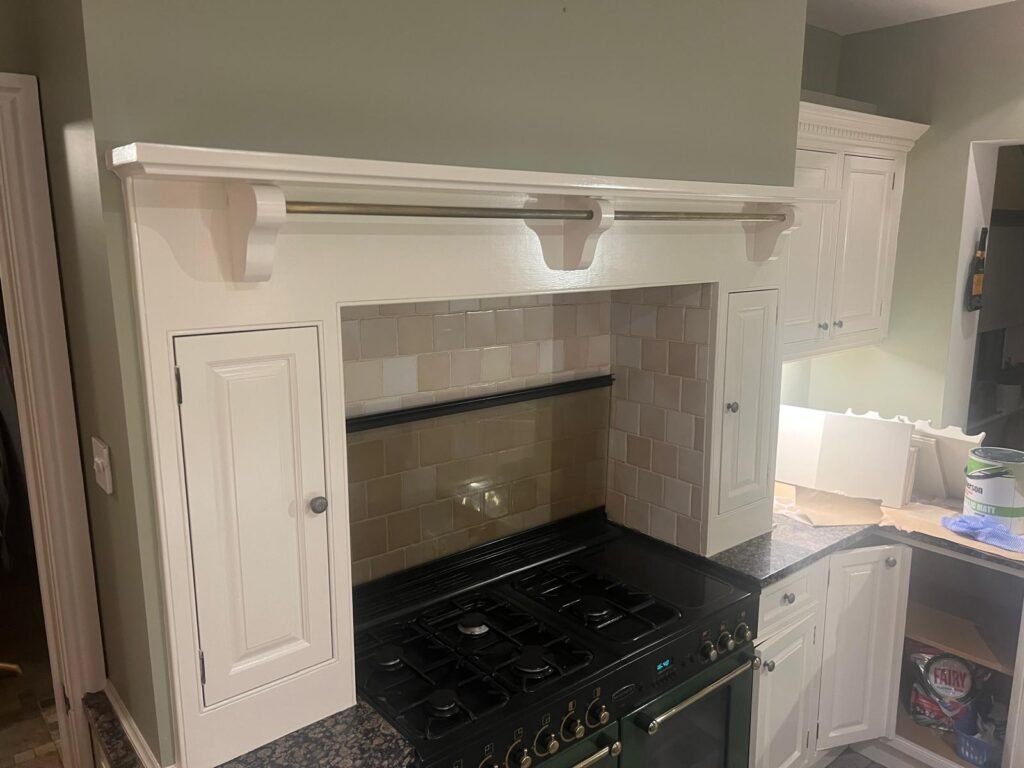
Rutland and Stamford have a healthy share of listed homes where breathability and reversibility matter. Painting original wood panelling or lime plaster with impermeable modern coatings can cause damp issues or trap salts. A specialist Painter in Stamford or Rutland will talk about limewash, casein paints, and mineral systems. Expect longer timelines and more testing. Colour matching older paints often requires sample cards painted on-site and adjustments, because historic pigments render differently under modern binders.
Sash windows are their own art. If yours rattle or stick, painting might be the moment to address cords, beads, and draught proofing. Budget for easing and minor joinery, and insist on razor-clean lines on the glass with a slight paint lip for weather seal. Painted too thick or sloppily, sashes will glue shut. Done right, they slide with fingertip pressure and keep out the worst of the winter wind.
Managing a multi-room or whole-house project
Large projects benefit from rhythm. I like to set a room order that respects family life and trades. Ceilings first, then walls, then trim is a common sequence, but in busy homes I sometimes reverse trim and walls to allow earlier furniture return. Colour transitions between rooms need thought. Open-plan ground floors in Melton Mowbray, for example, often blend kitchen, dining, and lounge. Choosing a single neutral and using depth changes exterior paint contractors for accents or joinery avoids visual clutter. Stairwells demand safe access towers and tidy scheduling to minimize stair downtime.
Protecting floors and fixtures saves everyone’s nerves. Ask how the painter handles dust extraction when sanding. Mirka or Festool systems with HEPA vacuums reduce airborne dust dramatically. If your painter shrugs at dust, expect cleanup stress. For equipment, sprayers have their place, especially for large, empty spaces or exteriors, but they require excellent masking and technique. Brush and roller leave a more traditional finish on trim and are often more practical in furnished homes.
A short, practical checklist for first meetings
- Ask which products they recommend for your specific surfaces, and why. Request a breakdown of preparation steps, not just “prep included.” Confirm insurance, safety plan for access, and expected daily start times. See examples at least six months old, ideally in a similar setting. Discuss colour sampling on your actual walls under your lighting.
The value of a good Painter in Rutland, Oakham, Stamford, or Melton Mowbray
Local knowledge is underrated. A Painter in Rutland who has spent years working on stone cottages knows where exterior paint first fails and how to prevent it. A Painter in Oakham who has decorated modern estate homes understands the quick gains of properly sealing new plasterboard joints and choosing durable finishes for young families. A Painter in Stamford comfortable with period detailing will keep cornices crisp and picture rails sharp. In Melton Mowbray, where many homes see heavy daily use, the right advice on robust coatings can mean your hallway still looks fresh after a winter of muddy boots.
The best relationships feel collaborative. Your painter should be willing to say, “That colour will look colder in your north-facing room,” or “We can save money if you handle wardrobe interiors,” or “Let’s wait a day, the humidity is too high for the topcoat to cure well.” That candour keeps standards high and surprises rare.
How to recover if a project goes off track
Even with good planning, issues can crop up. Maybe a patch of damp appears once furniture is moved, or the agreed paint isn’t covering as hoped. Bring concerns up early. Most problems are cheaper to solve on the first coat than the third. Take photos, mark areas with low-tack tape, and review the snagging plan. If communication breaks down, pause the work before it compounds. Payment schedules tied to milestones protect both sides. If you need to switch painters, insist on a handover note listing products used so far, including primers. It saves rework.
I once took over a living room in Oakham where the previous painter had applied a vinyl silk over a chalky matte without proper priming. The result was widespread crazing. We had to sand back and seal the whole surface with a bonding primer. Painful, but fixable. The lesson is simple: when something looks wrong, stop and reassess rather than pushing through.

A final word on care and maintenance
A great paint job is an investment that lasts with small touches of care. Keep a small labelled pot of each colour for touch-ups. Store brushes for future minor work, or ask your painter to leave an extra roller sleeve. Clean walls with a damp microfibre cloth and mild soap rather than harsh chemicals. Inspect exterior sills and window heads each spring for hairline cracks in caulk and seal them before water gets in. Little habits add years to the life of your finish.
Selecting the right painter isn’t about chasing the lowest price or the most luxurious brand names. It’s about fit: your home’s materials, your expectations, and a professional whose craft aligns with both. Take an extra hour at the start to ask better questions. Walk around your home together and listen to the answers. In Rutland and the nearby towns, where weather, heritage, and family life intersect, that thoughtful approach pays back every time you turn the key and step into a space that looks right and feels well cared for.